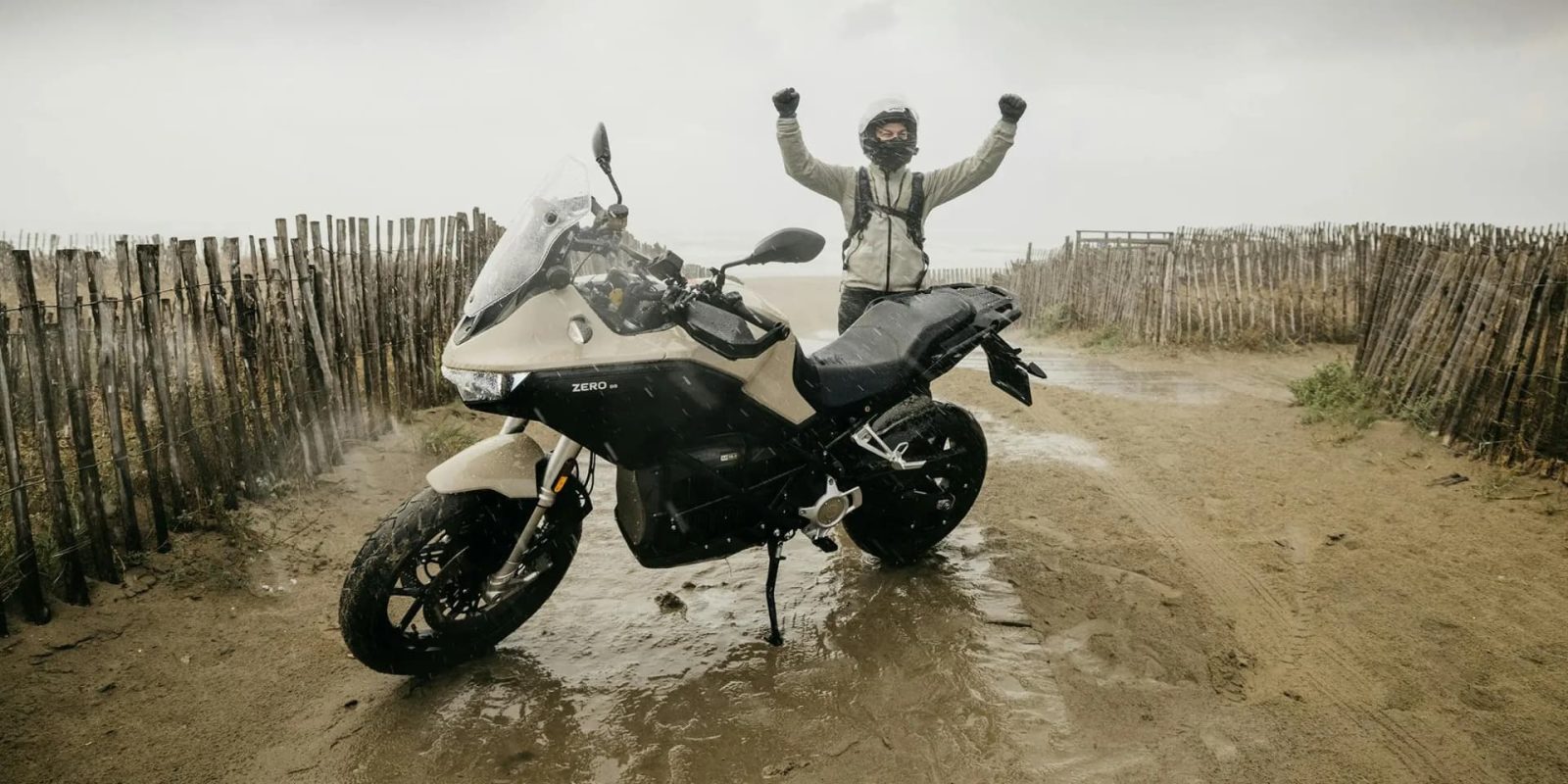
The world record for the longest journey on an electric motorcycle on a single charge has just been absolutely demolished.
Expand Expanding CloseThe world record for the longest electric motorcycle ride has just been obliterated


Micah Toll is an e-bike industry expert, personal electric vehicle enthusiast, battery nerd, and author of the Amazon #1 bestselling books DIY Lithium Batteries, DIY Solar Power, The Ultimate DIY Ebike Guide and The Electric Bike Manifesto.
The e-bikes that make up Micah’s current daily drivers are the $999 Lectric XP4, the $1,295 Ride1Up Roadster V3, and the $3,299 Priority Current. But it’s a pretty evolving list these days.
You can send Micah tips at Micah@electrek.co, or find him on Twitter, Instagram or TikTok.
The world record for the longest journey on an electric motorcycle on a single charge has just been absolutely demolished.
Expand Expanding Close
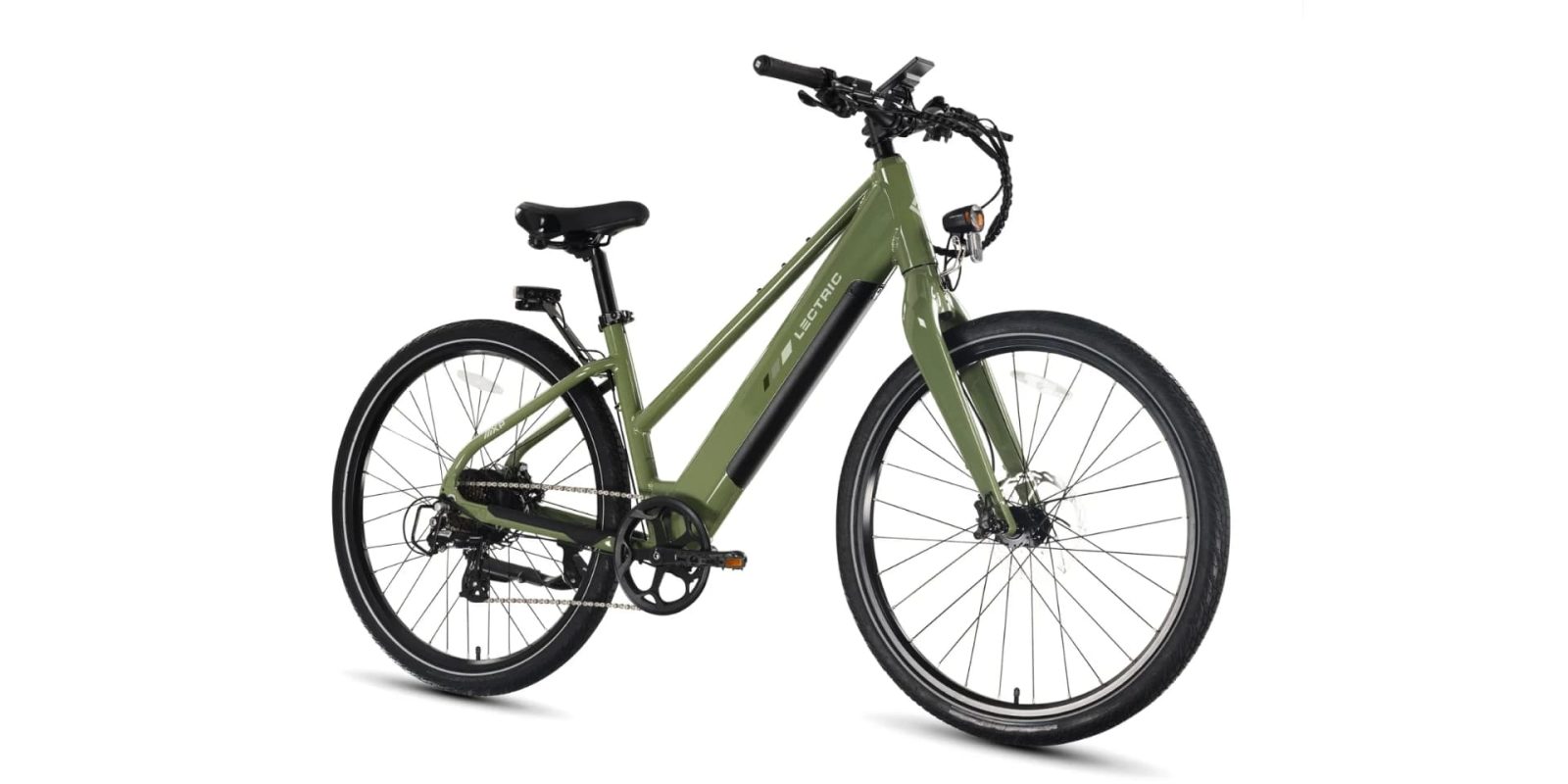
Lectric eBikes has spent the last several years steadily expanding from its original folding fat-tire e-bikes into just about every corner of the affordable electric bicycle market. Now the company is returning its attention to the commuter category with the new Lectric XPress Lite, a lighter and more affordable version of its popular XPress2 urban e-bike.
Expand Expanding Close

French electric marine motor manufacturer TEMO is bringing its latest electric propulsion system to North America, offering sailboat owners an interesting middle ground between a conventional outboard and a permanently installed pod drive.
Expand Expanding Close
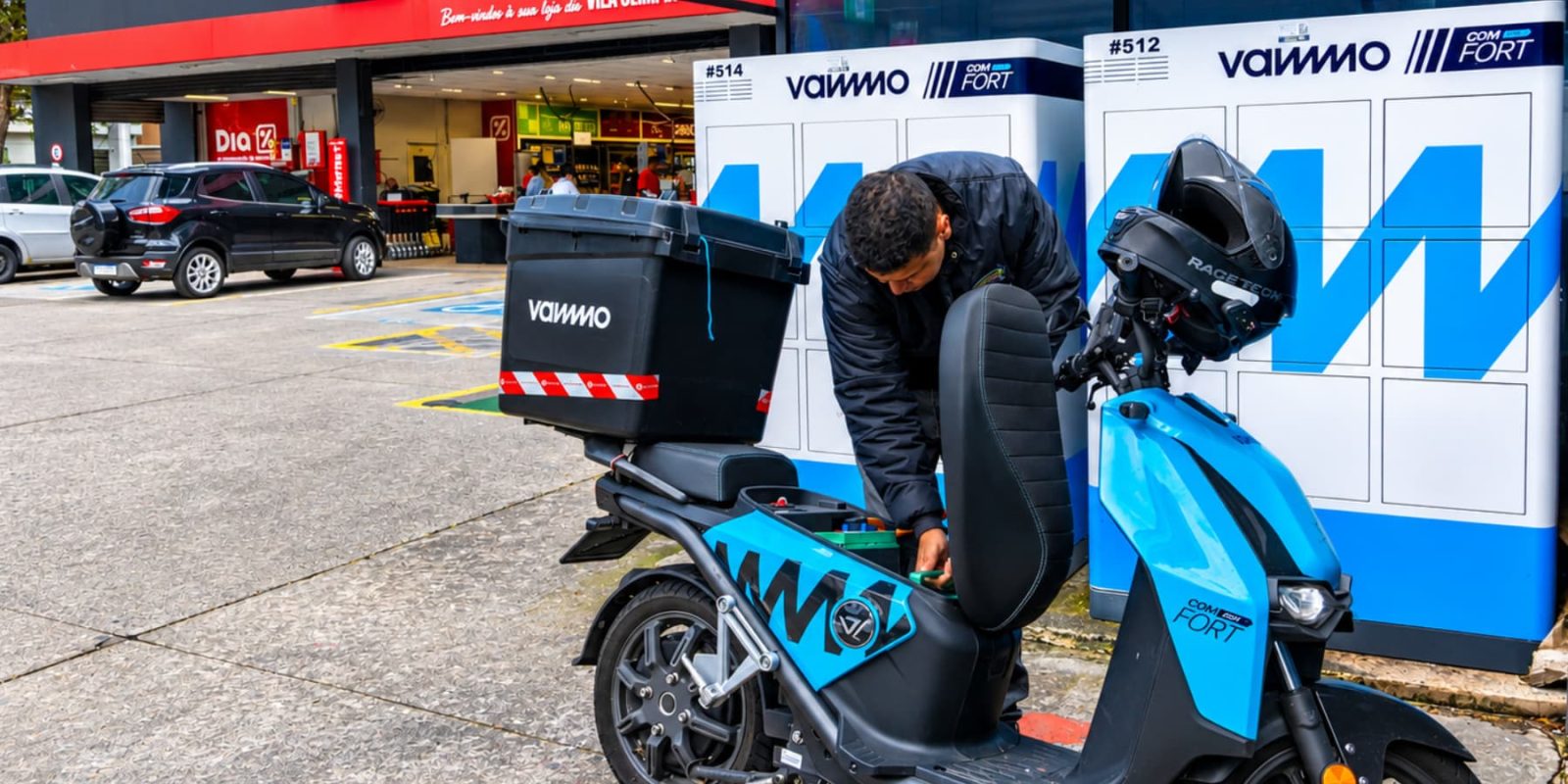
Brazilian electric motorcycle and battery-swapping company Vammo is hitting several major milestones as it prepares to take its model beyond its home of São Paulo, including reaching EBITDA profitability, surpassing 10 million battery swaps, and growing to more than 10,000 active riders.
Expand Expanding Close
This week on Electrek’s Wheel-E podcast, we discuss the most popular news stories from the world of electric bikes and other nontraditional electric vehicles. This time, that includes new e-bikes from Gazelle, Ride1Up, and SixThreeZero, a solar-powered electric seated scooter, LiveWire Honcho approved for MSF motorcycle training courses, and more.
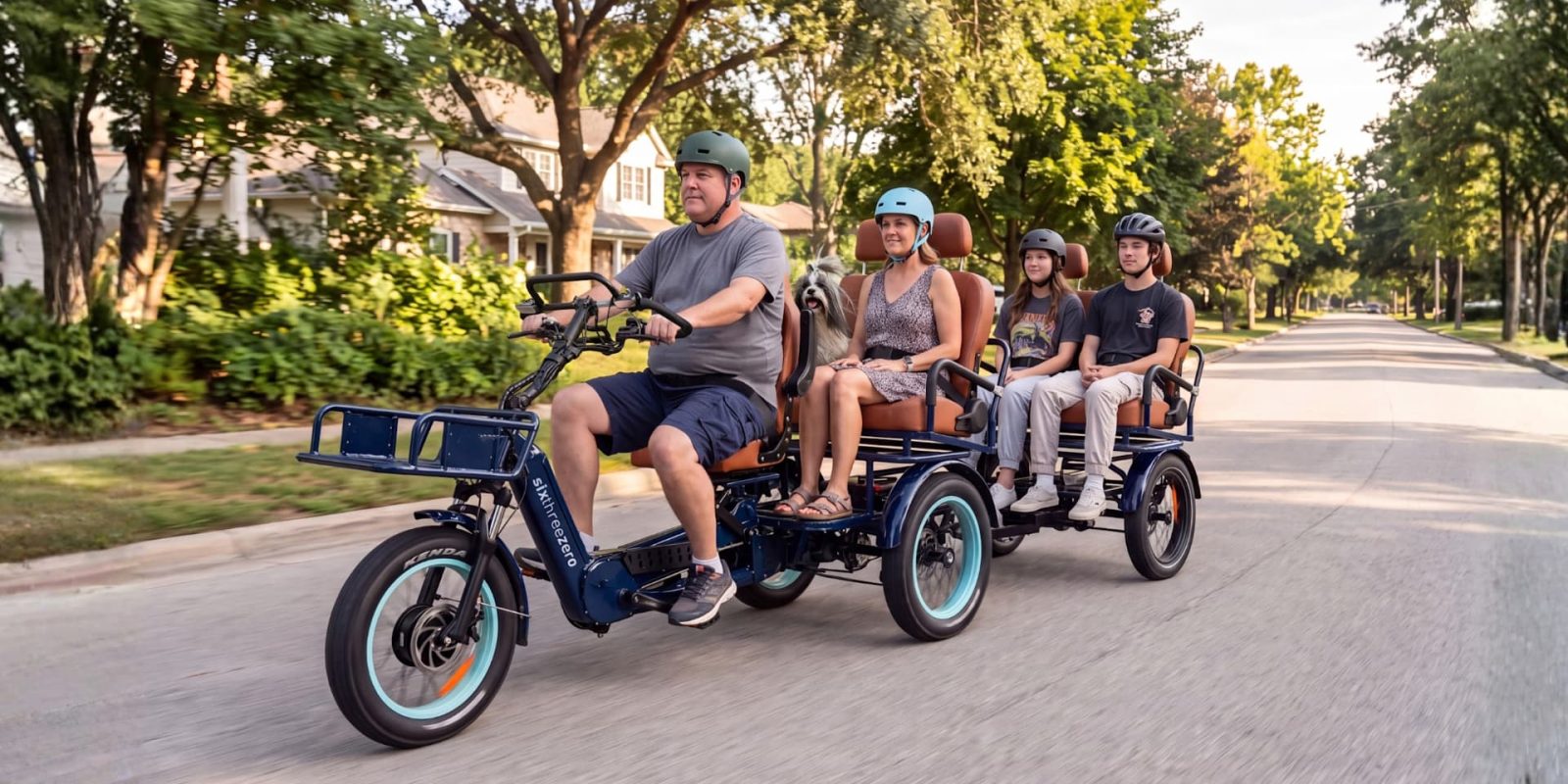
If you’ve ever looked at a cargo e-bike and thought, “Sure, but where am I supposed to put the other six people?”, SixThreeZero may finally have the answer.
The company’s latest addition to its growing e-bike and e-trike lineup, the Long Range Luxury Rickshaw, is already a fairly ridiculous machine in its standard form. It combines three wheels, dual motors, rear passenger seating bench, and enough battery capacity to make many electric motorcycles jealous. But start adding its optional passenger trailers, and you can essentially build yourself a seven-person electric bicycle train.
Expand Expanding Close

Europe has spent years encouraging people to ditch cars and get around on bicycles and e-bikes instead. And in many places, it’s working. But all of those increasingly sophisticated electric bicycles have created an unexpected new problem: there aren’t nearly enough people to fix them.
Expand Expanding Close
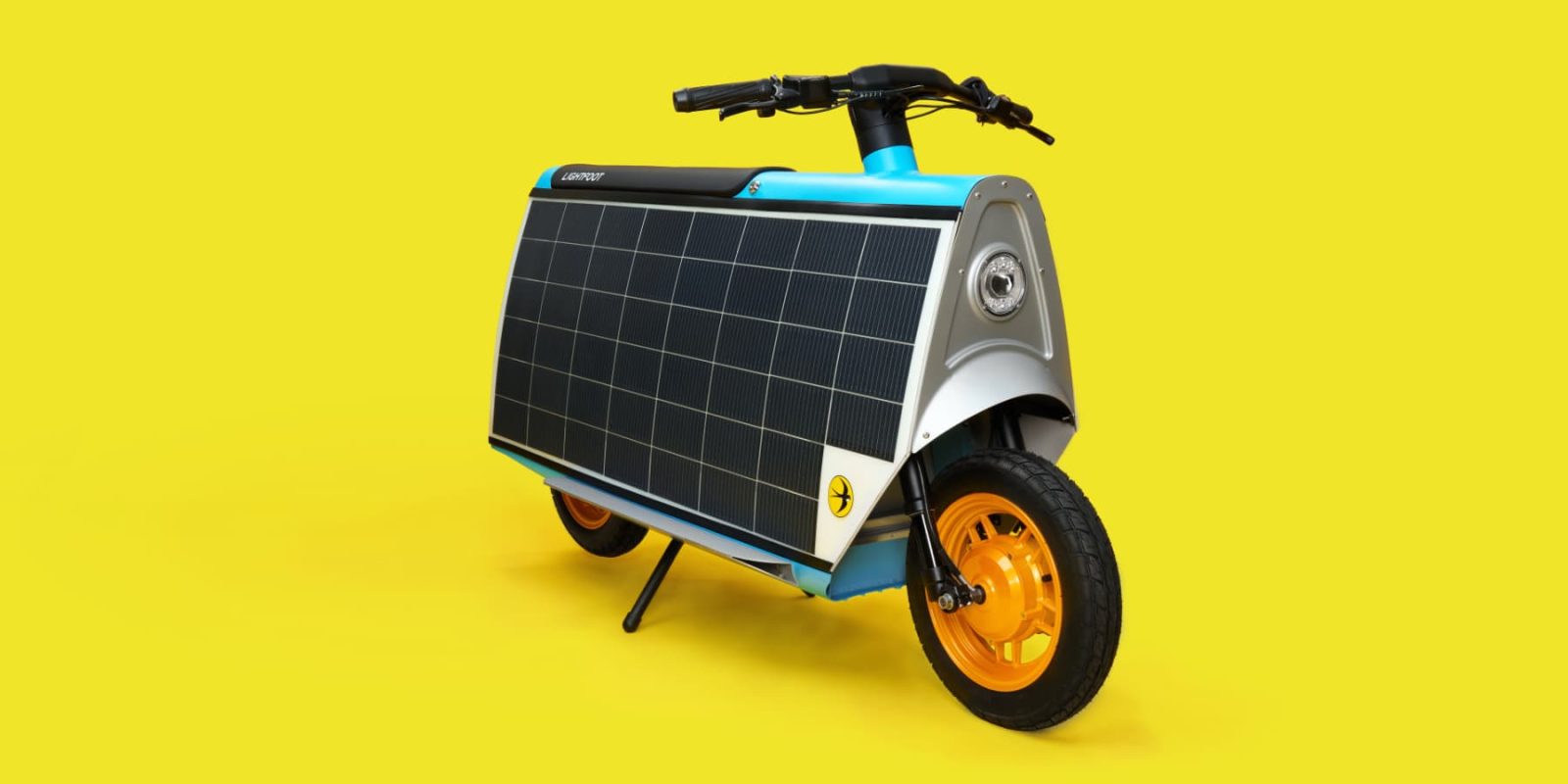
There are plenty of ways to build a small electric vehicle. These days, the prevailing options have been to make it faster, give it more power, slap on bigger tires, or keep adding features until your humble little scooter has somehow turned into a 150-pound electric motorcycle.
Or you can be brave and go in the other direction to ask a simpler question: How much vehicle do people actually need for all those short trips around town?
Expand Expanding Close
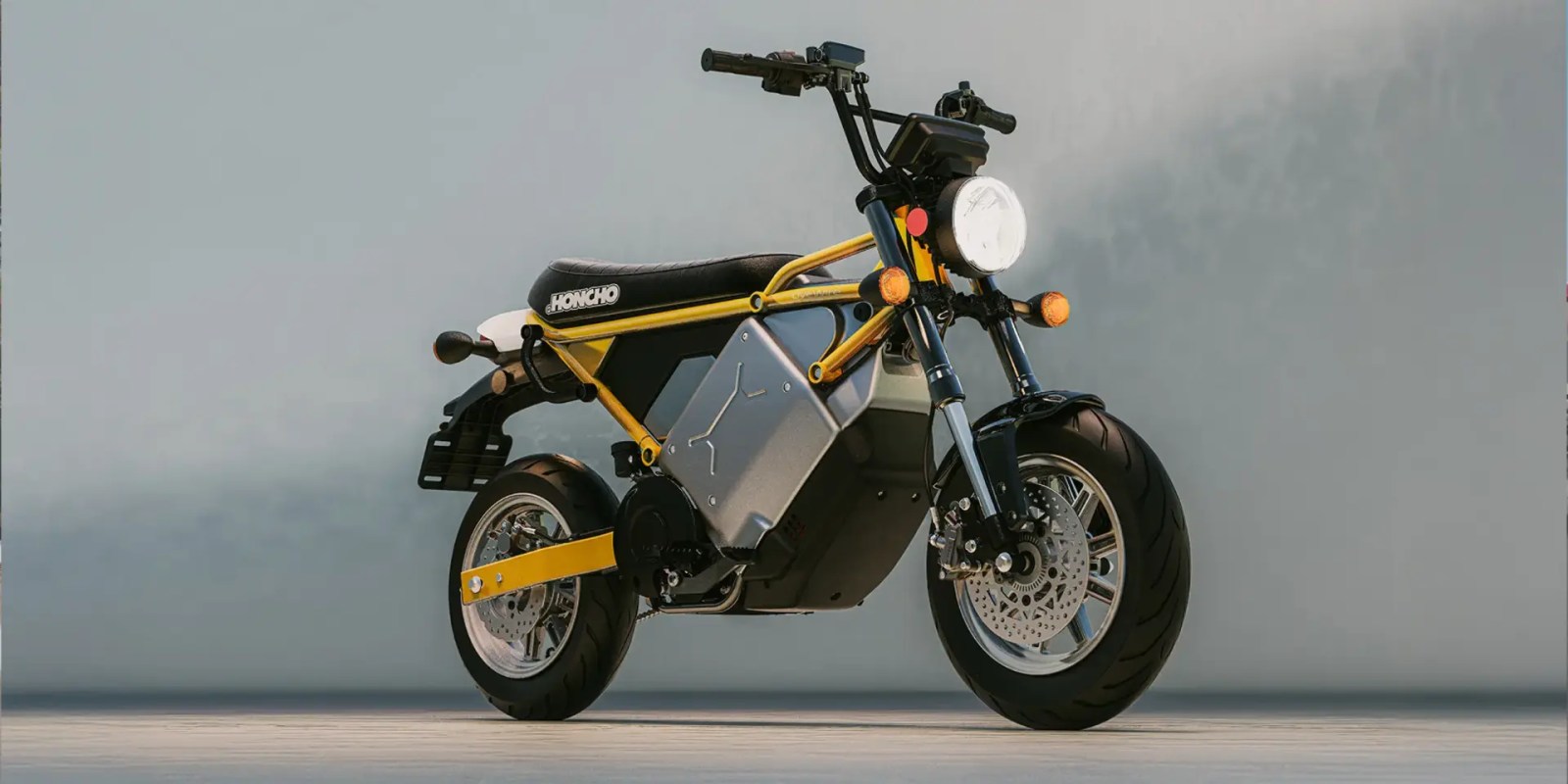
LiveWire’s smallest electric motorcycle is about to take on a new role, and it could prove to be one of the most important ones yet. The LiveWire S4 Honcho Street has now met the Motorcycle Safety Foundation’s (MSF) criteria for use in rider training programs, opening the door for new riders to learn the ropes – and potentially earn their motorcycle endorsement – without first learning how to operate a clutch and gearbox on a gas-powered motorcycle.
Expand Expanding Close
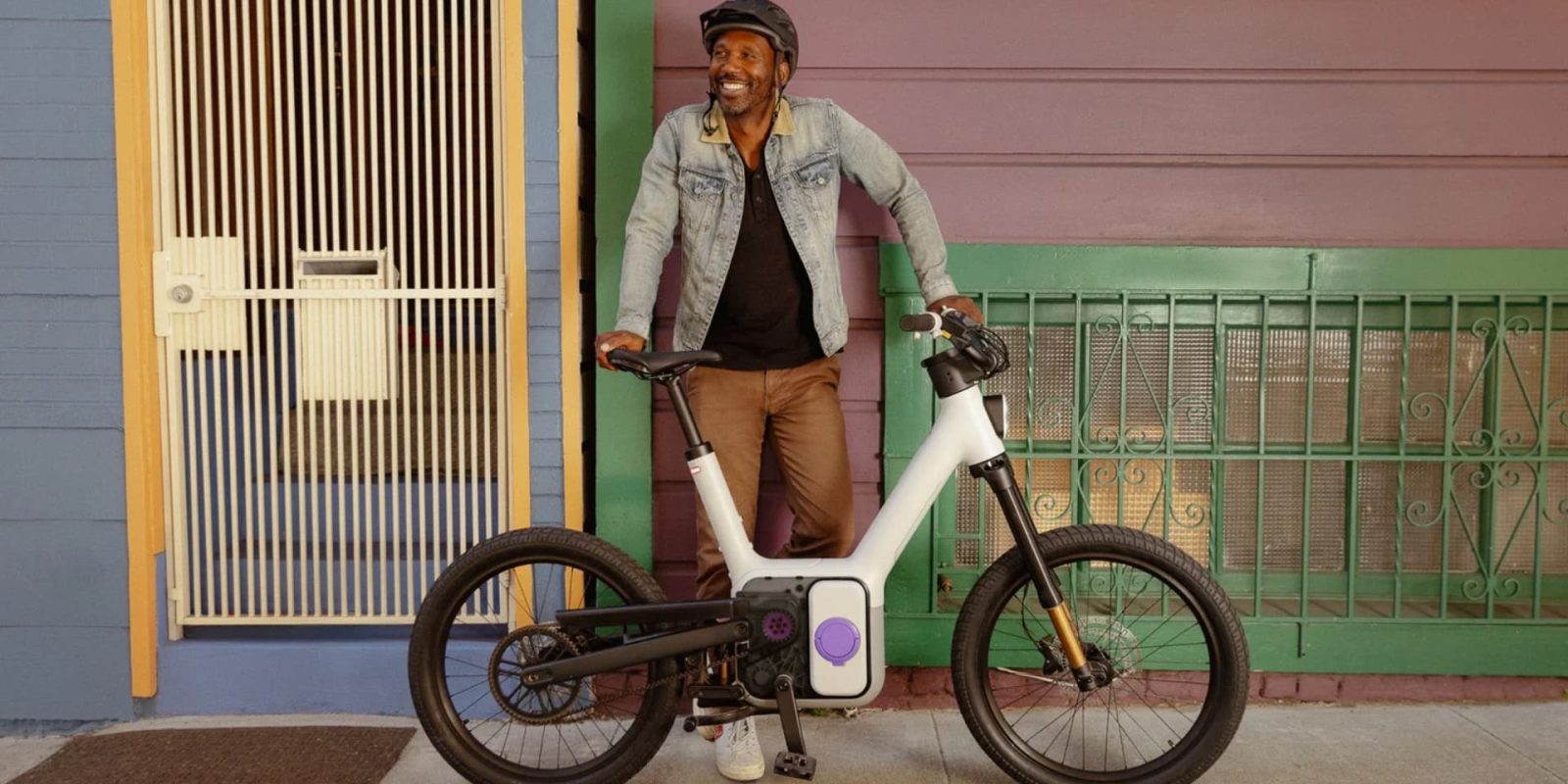
After months of delays, missed delivery windows, and increasingly impatient reservation holders, Rivian spinout ALSO is finally putting its electric bikes into the hands of actual customers.
Expand Expanding Close
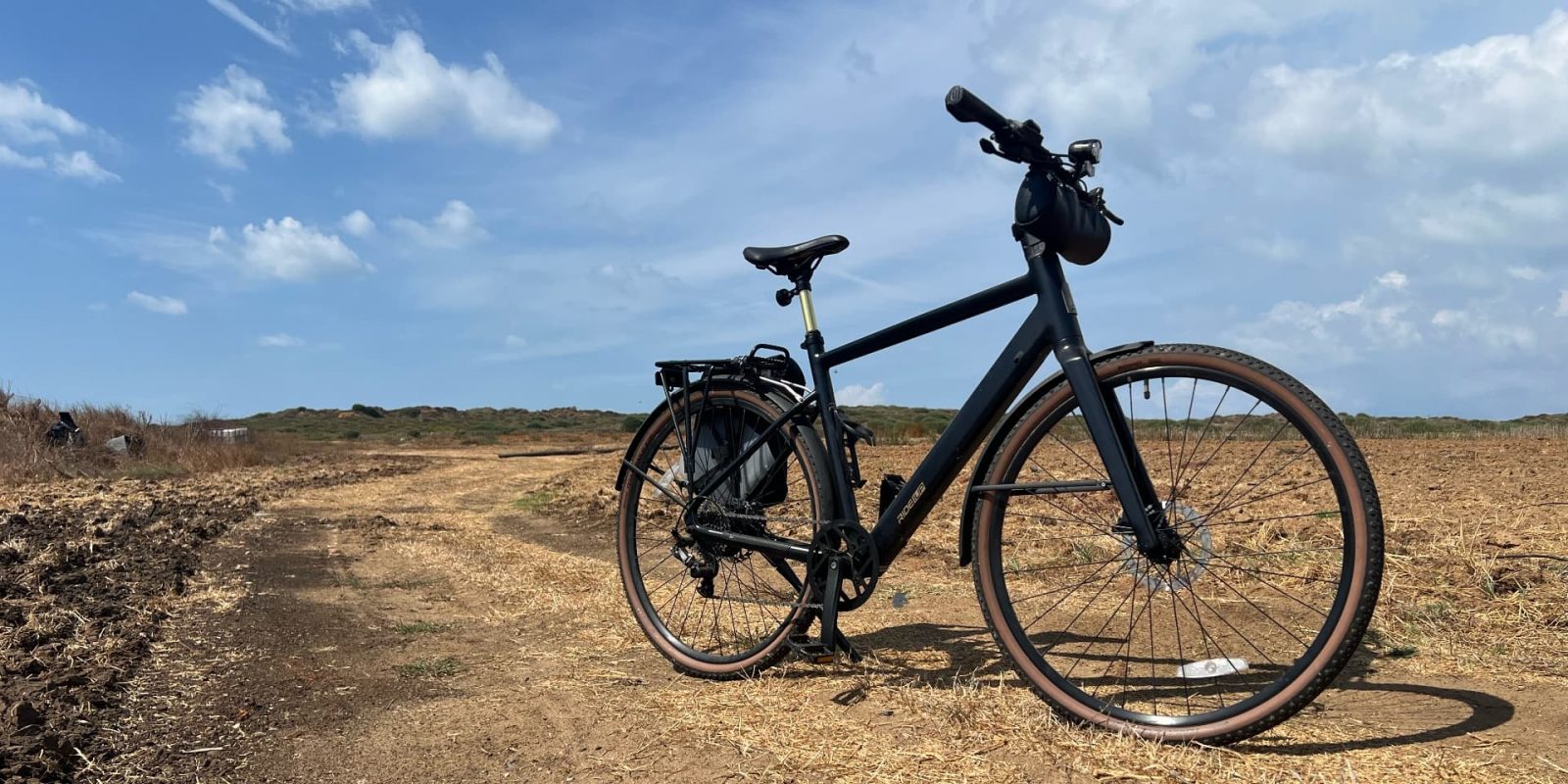
The Ride1Up Roadster V3 is, for all intents and purposes, is a budget-focused daily driver urban bike. It’s not really a gravel bike. Maybe if you stand back a bit and squint, you could give it a bit more of a gravel bike interpretation. But ultimately, it’s a lightweight, affordable urban e-bike with decent multi-role tires that I mostly use for cruising around bike lanes and city streets.
So naturally, yesterday I took it on a 38 km (24 mile) ride where I spent most of the time off-road.
Expand Expanding Close
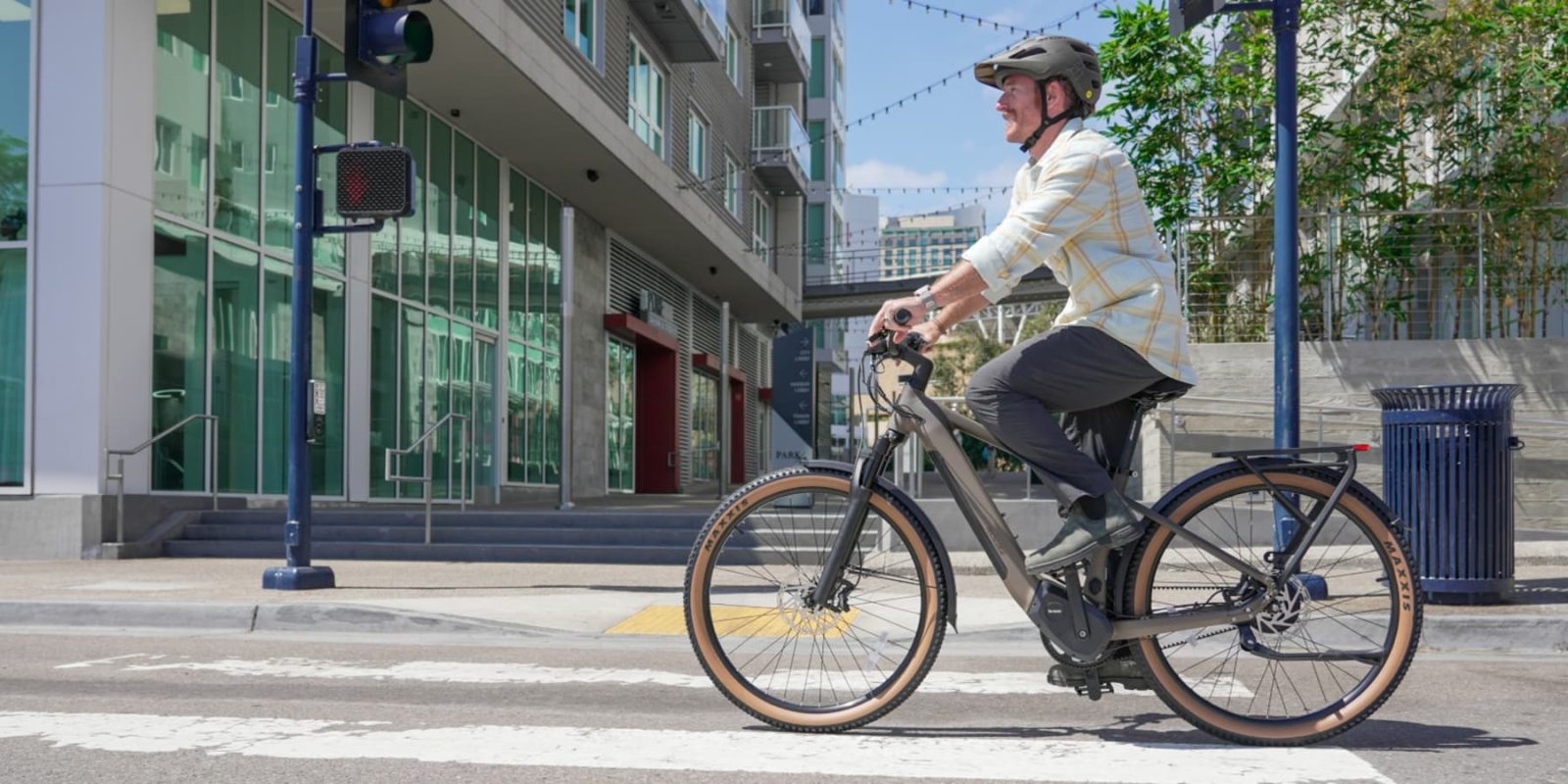
There are cheap e-bikes, and there are good mid-drive e-bikes. Those two circles on the Venn diagram don’t overlap nearly as often as we’d like. But Ride1Up’s newly launched Prodigy V2 Eco is doing its best to smash them together with a surprisingly low $1,295 price tag.
And this isn’t a $1,300 bike with some no-name mid-drive motor you’ve never heard of. At the heart of the Prodigy V2 Eco is a German-made Brose TF Sprinter mid-drive motor pumping out 90 Nm of torque, paired with a 504 Wh battery using Samsung cells.
Expand Expanding Close
Gazelle has spent much of its recent e-bike development pushing its premium Ultimate platform toward faster Class 3 commuters, but now the Dutch bicycle maker is filling out the other side of the family.
Expand Expanding Close
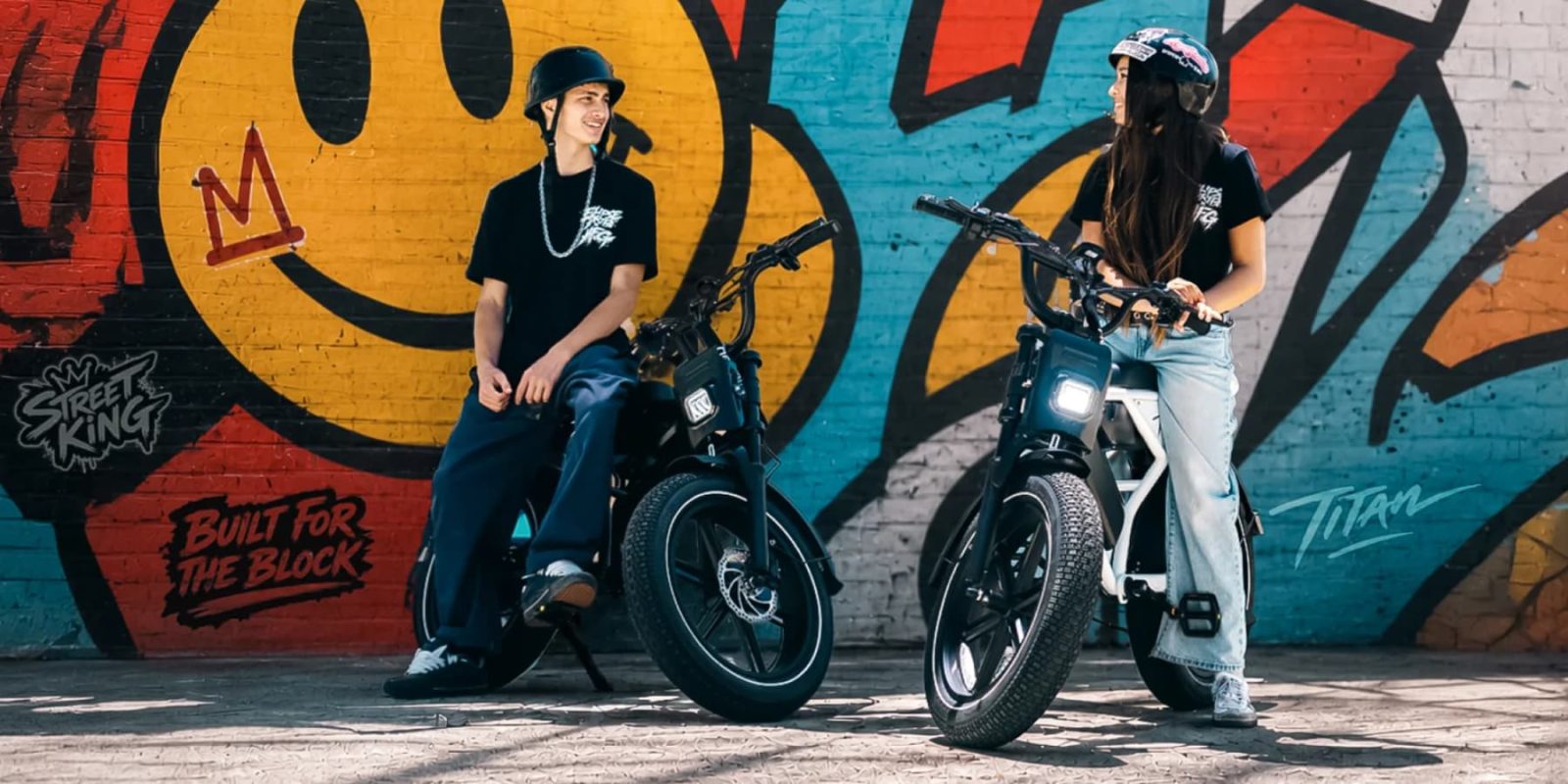
If you’ve spent any time reading local neighborhood social media groups lately – and for your mental health, I hope you haven’t – you’ve probably encountered a familiar complaint: teenagers on e-bikes.
Expand Expanding Close
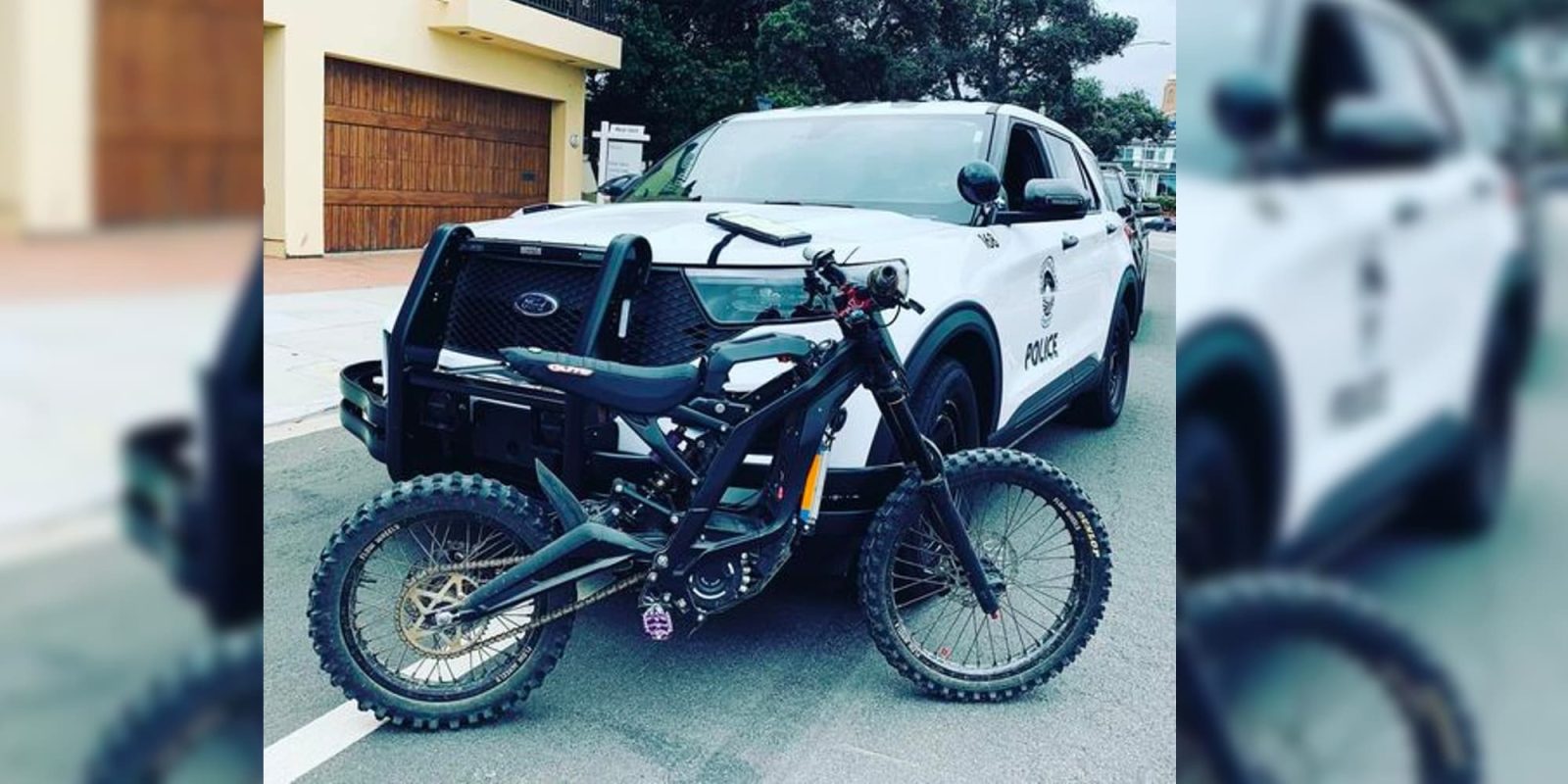
An 11-year-old boy in Florida has found himself with a traffic citation, a towed electric motorcycle, and a court date after police caught him riding a high-powered electric dirt bike in lieu of an electric bicycle on public roads.
Expand Expanding Close

New York City lawmakers are preparing this week to consider a sweeping new package of micromobility legislation, with more than 20 bills aimed at e-bikes, electric scooters, mopeds, delivery apps, and enforcement.
Expand Expanding Close
This week on Electrek’s Wheel-E podcast, we discuss the most popular news stories from the world of electric bikes and other nontraditional electric vehicles. This time, that includes new e-bikes from Segway and Honda, South Park takes on e-bikes, Rivian’s e-bikes are rolling out to everyone except for customers, Royal Enfield’s e-moto gets a Western price, and more.
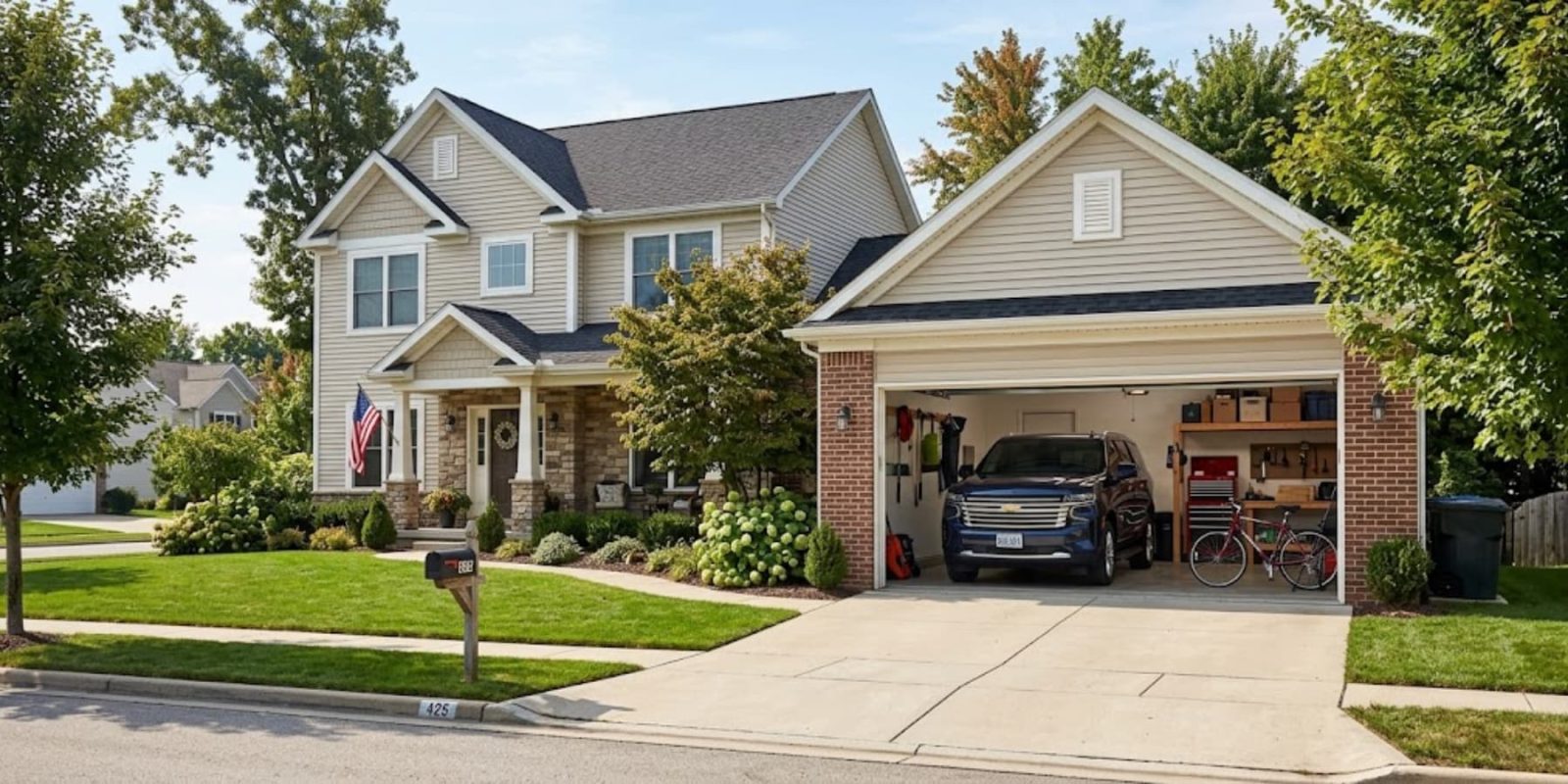
Being a one-car family works great right up until the moment two people need to be in two different places. Maybe your spouse took the car to work, but you need to grab groceries. Maybe you’ve got to pick up a kid from daycare. Perhaps you’re meeting a friend for coffee, heading to the gym, or just running some mundane errand that happens to require going a few miles across town.
Those are the moments when a second car starts sounding awfully convenient.
Expand Expanding Close

Honda is best known for motorcycles, cars, generators, lawnmowers, robots, jets… basically anything with a motor attached to it. But now the Japanese giant appears ready to add another two-wheeler to that list: an electric mountain bike.
Expand Expanding Close

South Park has finally come for e-bikes. And perhaps surprisingly, underneath all the explosions, biker gangs, racist caricatures, and general South Park-ness of it all, the show actually managed to make some pretty insightful observations about the current state of e-bikes in America.
Expand Expanding Close
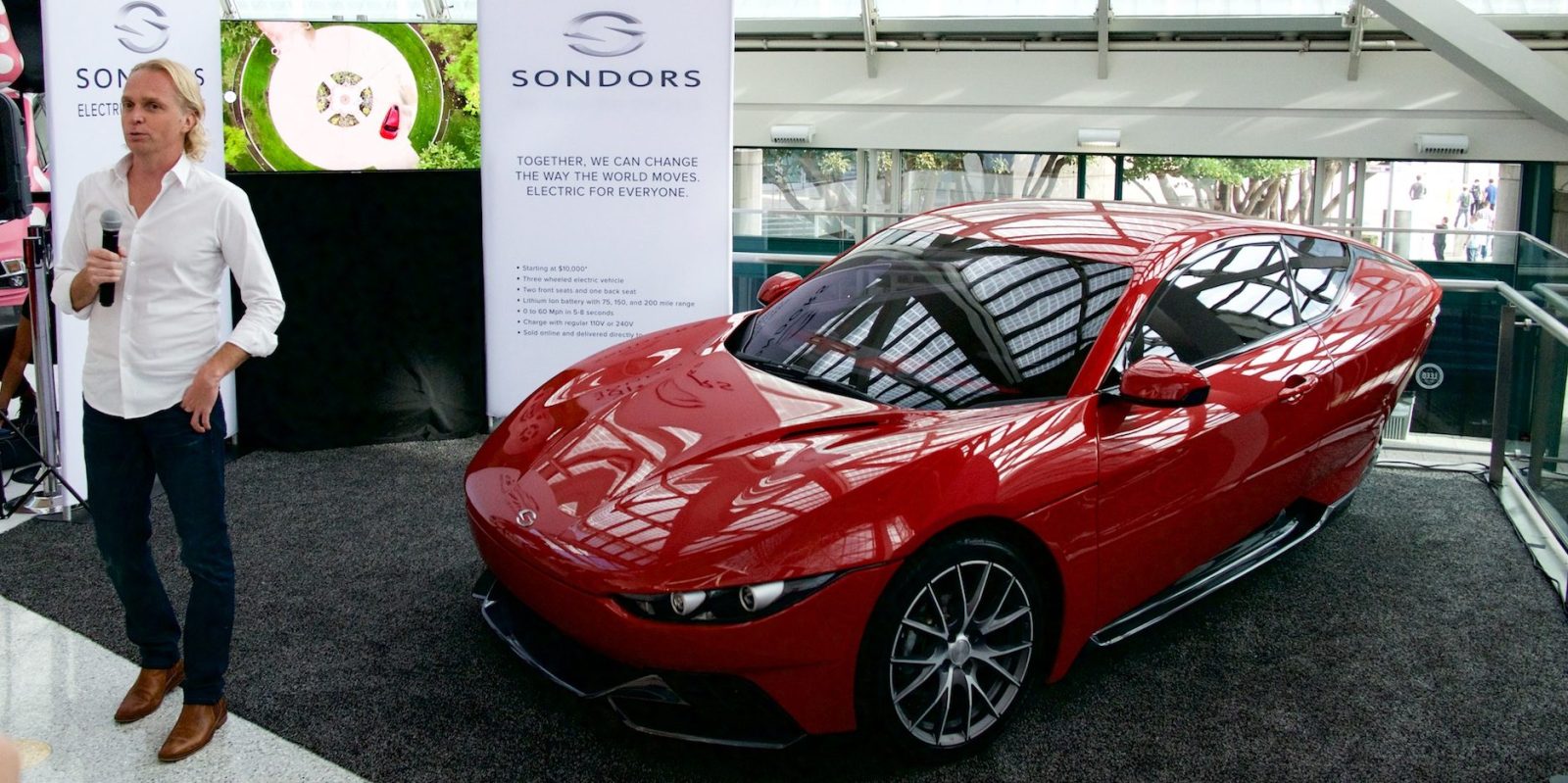
If you’ve ever wanted to own a genuine piece of electric vehicle vaporware history, now might be your chance. One of the most interesting artifacts from SONDORS’ more ambitious days has just surfaced for sale on eBay: the company’s three-wheeled electric car prototype.
Expand Expanding Close
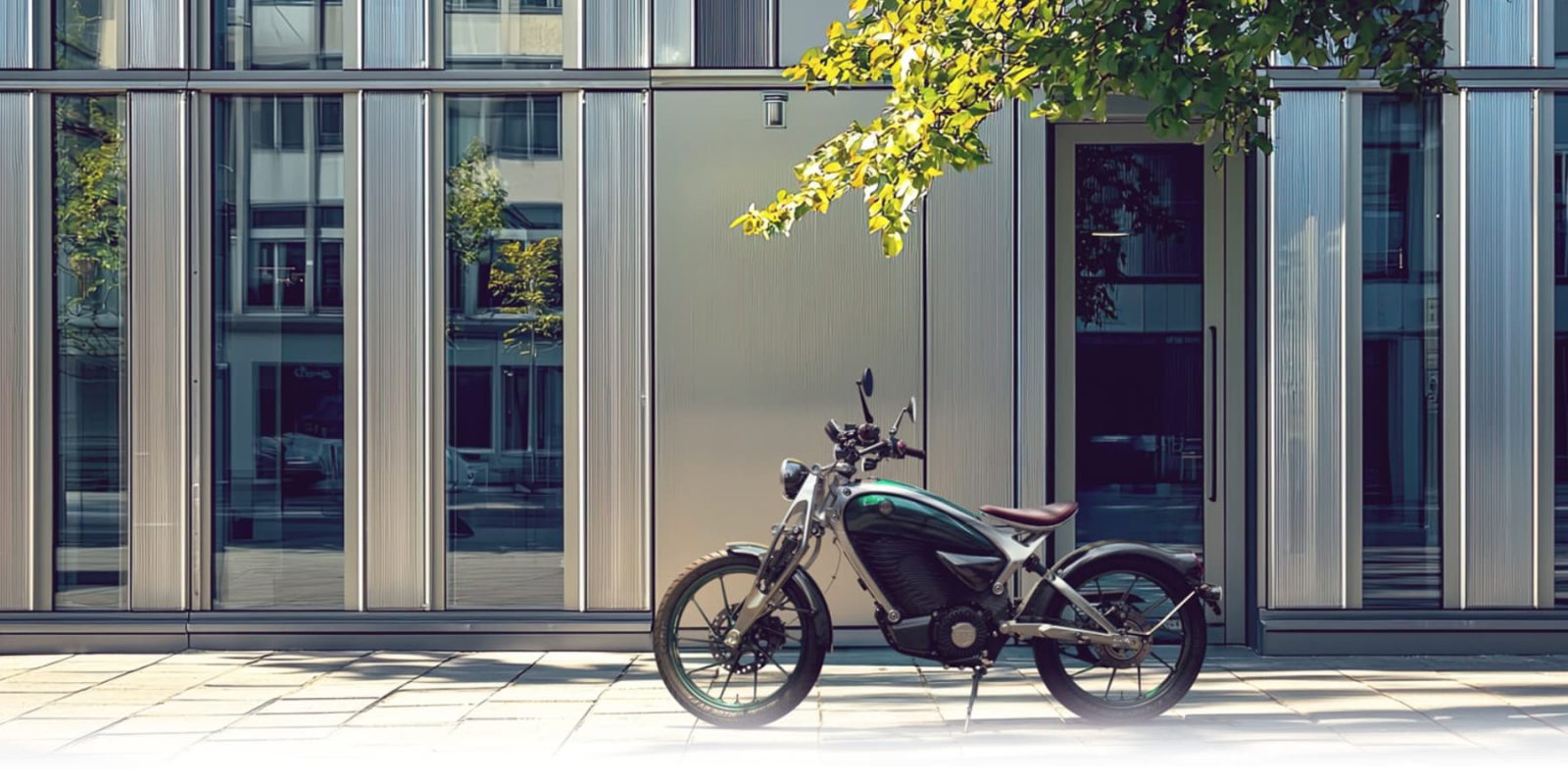
Royal Enfield’s new Flying Flea electric motorcycle has officially spread its wings beyond India, with the retro-inspired C6 now launching in Europe and the UK. And perhaps just as importantly, we finally know what Western riders can expect to pay for it.
Expand Expanding Close
Rivian spin-off ALSO is finally getting its futuristic TM-B electric bikes out across the United States.
Unfortunately for the customers who ordered them nearly a year ago, those bikes aren’t headed to their garages. They’re headed on tour.
Expand Expanding Close

Africa’s electric motorcycle market is about to get an interesting new combination of Chinese manufacturing scale and homegrown battery-swapping infrastructure.
Yadea, the Chinese electric two-wheeler giant that has sold more than 100 million vehicles globally, has announced a new strategic partnership with African electric mobility company Spiro. The two companies plan to work together on electric motorcycles and scooters specifically tailored to African markets while integrating those vehicles into Spiro’s rapidly growing battery-swapping network.
Expand Expanding Close